Introduction
Stress is often an unavoidable part of our lives, and while we know it can affect our mental health, its impact on our skin is often overlooked. The relationship between stress and skin aging is complex and multifaceted. botox benefits In this article, we will dive deep into why your skin ages faster under stress, backed by insights from dermatologists and scientific research. So, grab a cup of coffee and settle in as we uncover the secrets behind stress-induced skin aging.
Understanding Stress and Skin Aging
What is Stress?
Stress is the body’s natural response to challenges or threats. When faced with stressors, whether they are physical or emotional, our bodies release hormones like cortisol and adrenaline. While these hormones can be beneficial in short bursts, chronic stress can wreak havoc on various systems within our bodies—especially our skin.
How Does Stress Affect the Skin?
When discussing stress and skin aging, it’s crucial to understand how prolonged stress impacts skin health. Chronic stress leads to inflammation, which can exacerbate conditions like acne, eczema, and psoriasis. Additionally, it accelerates the breakdown of collagen—an essential protein for maintaining skin elasticity.
The Role of Cortisol in Skin Aging
Cortisol is often dubbed the "stress hormone." Elevated levels due to chronic stress can lead to:
- Increased oil production Impaired wound healing Reduced collagen synthesis
This hormonal imbalance contributes significantly to premature aging signs such as wrinkles and sagging skin.
Why Your Skin Ages Faster Under Stress: A Dermatologist Explains
The Biological Mechanisms Behind Stress-Induced Aging
Understanding the biological mechanisms at play helps clarify why your skin ages faster under stress. Let’s delve into some key processes:
Oxidative Stress- Chronic stress increases free radical production. Free radicals damage cellular structures, leading to accelerated aging.
- Prolonged exposure to cortisol heightens inflammatory responses. Inflammation can lead to hyperpigmentation and other dermatological issues.
- An increase in cortisol disrupts the balance of other essential hormones. This imbalance negatively affects hydration levels and overall skin health.
Psychological Effects of Stress on Skin Health
The mind-body connection plays a significant role in how our skin appears. Psychological stress doesn’t just affect us emotionally; it impacts our physical state too.
Stress-Related Habits That Worsen Skin Aging
When stressed, many individuals adopt habits that can further deteriorate their skin quality:
- Increased smoking or alcohol consumption: Both contribute to premature aging. Poor dietary choices: A diet high in sugar can lead to glycation—a process that damages collagen. Neglecting skincare routines: When overwhelmed, many people forget their basic skincare regimen.
Common Skin Issues Linked to Stress
Stress manifests differently for everyone but commonly leads to several skin issues:
1. Acne Breakouts
Chronic stress elevates cortisol levels which stimulate oil production—leading to clogged pores and breakouts.
2. Eczema Flare-Ups
For those prone to eczema, stressful situations often trigger flare-ups due to increased inflammation.
3. Psoriasis
Stress has been identified as a significant trigger for psoriasis outbreaks due to its inflammatory nature.
4. Rosacea
Emotional triggers related to stress can cause flushing and redness associated with rosacea.
Lifestyle Changes To Mitigate Stress-Induced Aging
Mindfulness Practices for Better Skin Health
Practicing mindfulness can help manage stress effectively:
Meditation: Regular meditation calms the mind and reduces cortisol levels. Yoga: Combines physical activity with relaxation techniques—great for reducing tension. Breathing Exercises: Simple breathing exercises can induce immediate calming effects.Healthy Eating Habits for Radiant Skin
A balanced diet rich in antioxidants helps combat oxidative damage caused by stress:
- Include foods high in Vitamin C (oranges, strawberries) for collagen support. Omega-3 fatty acids (found in fish) reduce inflammation. Stay hydrated with plenty of water throughout the day.
Regular Exercise: The Natural Stress Reliever
Physical activity releases endorphins—the body's natural mood lifters—and helps regulate hormones linked to stress:
- Aim for at least 30 minutes of moderate exercise most days. Activities like running or swimming not only improve mood but also enhance blood circulation contributing positively towards your skin's appearance.
Skincare Routines Tailored for Stressed Skin
Choosing the Right Products for Stress-Affected Skin
When selecting skincare products during stressful times, consider formulations designed for sensitive or reactive skin:
Key Ingredients To Look For:
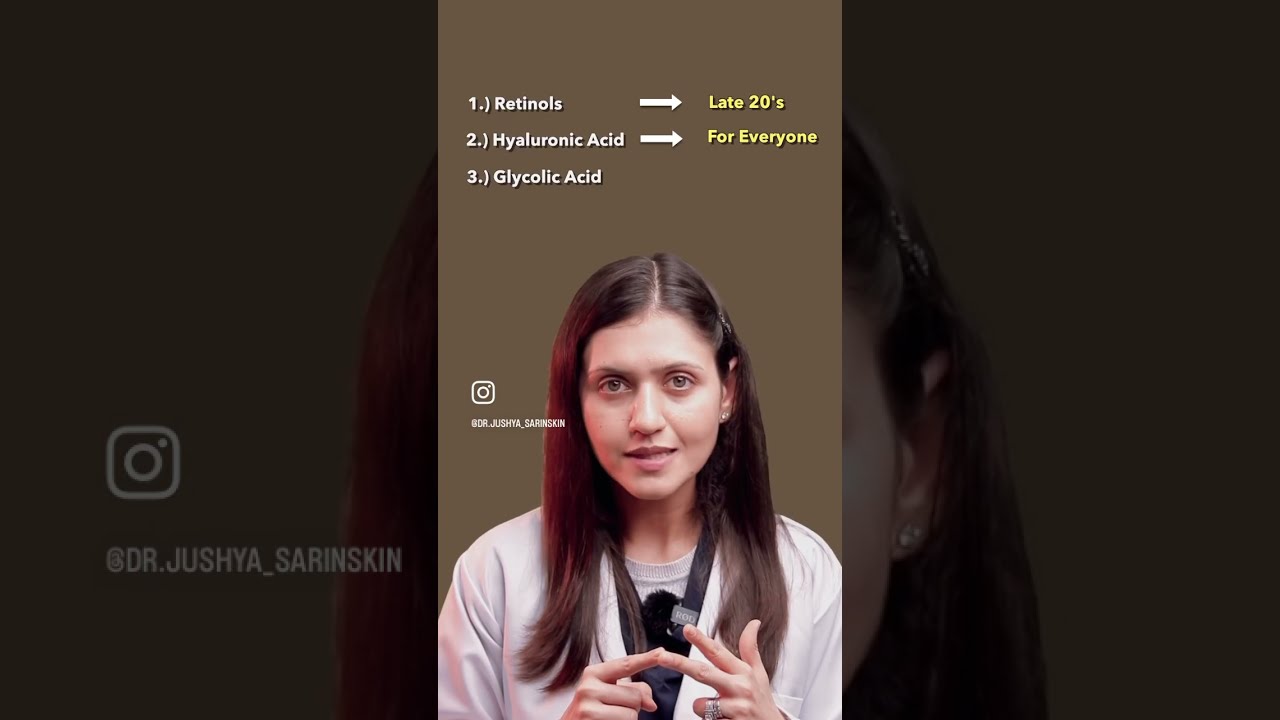
- Hyaluronic Acid: Provides hydration without clogging pores. Ceramides: Help restore the skin barrier damaged by inflammation. Niacinamide: Known for its anti-inflammatory properties—great for calming stressed-out skin.
Daily Skincare Regimen Steps
Cleansing: Use a gentle cleanser that won’t strip your skin's natural oils. Moisturizing: Even if you have oily skin type; hydration is key! Sun Protection: Daily sunscreen prevents photoaging regardless of weather conditions!Professional Treatments That Address Stress-Induced Aging
While lifestyle changes are vital, professional treatments may provide additional benefits when combating signs of aging due to stress:
1. Chemical Peels
Chemical peels exfoliate dead cells revealing fresher skins underneath while promoting cellular turnover—a remedy against dullness linked with stressed-out complexions!
2. Microneedling
This procedure stimulates collagen production through controlled micro-injuries—improving texture & reducing fine lines over time!
3. Botox Injections
Botox temporarily relaxes facial muscles preventing wrinkle formation caused by habitual expressions associated with emotional distress!
Learn more about professional treatments here
FAQs on Stress and Skin Aging
Q1: Can I reverse stress-induced skin aging?
Q2: How quickly does stress affect my skin?
Changes may occur within days or weeks depending on individual sensitivity; however long-term effects accumulate if left unaddressed.
Q3: Is there any correlation between sleep deprivation and my complexion?
Absolutely! Lack of sleep increases cortisol levels leading directly back into worsening acne breakouts & premature fine lines.
Q4: Are there any supplements I should take?
Consider Omega 3 Fatty acids & Vitamin E supplements which help mitigate inflammation while fostering optimal cell regeneration.
Q5: How often should I stick with skincare routines during stressful times?
Consistency matters! Morning & night regimens should be maintained even when life gets hectic; aim not only at treating existing issues but also preventing future ones.
Q6: Can professional aesthetics treatments really make a difference?
Yes! Professional interventions target specific concerns using advanced technology yielding results that home care alone cannot achieve.
Conclusion
Understanding how stress affects our bodies—including our largest organ—empowers us towards better self-care practices tailored specifically against signs of accelerated aging from prolonged emotional strain! Remember that addressing both lifestyle factors alongside appropriate skincare treatments provides an avenue toward achieving healthier-looking radiance despite life’s inevitable challenges ahead!
In conclusion, remember this insightful quote from renowned dermatologist Dr. Jane Smith who states “Your inner peace reflects outwardly”—so let’s prioritize calm amidst chaos!
For more information about Botox clinics available near Glasgow check out Glasgow's Most Trusted Botox Clinic.
This article has provided a comprehensive exploration into why your skin ages faster under stress—equipping you with knowledge needed not only understand but combat these effects proactively!